0%

Logistics drones are really shaking up how we think about deliveries these days. These flying gadgets are promising to make shipping faster and way more efficient. I mean, John Smith from DroneSolutions even says that drones could totally revolutionize last-mile delivery—that's pretty exciting stuff.

As these drones get better and more advanced, businesses see it as a real chance to save some money and get packages to customers quicker. You’ve probably noticed that some big retailers are already starting to try them out. But, of course, it’s not all smooth sailing—there are still hurdles like regulations and building the right infrastructure before we see widespread use. And let’s not forget, while drones could boost efficiency, there are concerns about noise and privacy that we can’t ignore.

All in all, the potential here is huge. These drones could deliver to the most remote spots or busy city centers alike. But making that happen will require a lot of careful planning, especially in terms of getting public acceptance and making sure the tech is reliable enough. Honestly, there’s a lot to consider, and smart solutions need to be thought through thoroughly.

What is Logistics Drones and How Do They Transform Delivery?

What are Logistics Drones?

Logistics drones are emerging as a game changer in the delivery sector. These unmanned aerial vehicles (UAVs) provide quick and efficient transportation of goods. They can navigate difficult terrains and reach remote locations with ease. Drones operate with precision, reducing the likelihood of human errors during the delivery process.

However, the implementation of logistics drones also brings challenges. For example, weather conditions can greatly affect their performance. Regulatory hurdles exist, causing delays in wider adoption. Furthermore, concerns about privacy and security are prevalent. The integration of drones into existing logistics systems requires careful planning.

Despite these complexities, the potential benefits are significant. Drones can minimize delivery times, especially for urgent shipments. They reduce operational costs in the long run. As companies continue to experiment and innovate, logistics drones will likely reshape our delivery landscape. Embracing this technology necessitates ongoing dialogue about its implications.

The Technology Behind Logistics Drones

Logistics drones represent a significant advancement in delivery technology. These unmanned aerial vehicles (UAVs) utilize sophisticated navigation systems, including GPS and computer vision, to optimize delivery routes. According to a report from McKinsey, drone deliveries could reduce logistics costs by up to 30%. This efficiency can transform supply chains, particularly in remote areas.

However, there are challenges that need addressing. Regulatory hurdles persist, as airspace management remains a complex issue. Moreover, battery life limits the distance drones can travel. A recent study indicates that while drone technology is improving, only 12% of companies are ready to implement it fully. This inconsistency in readiness reflects the evolving landscape of logistics technology.

Data from industry organizations reveals that 70% of consumers are open to using drone delivery. Still, trust in safety and reliability must be built. Companies must ensure that drones can navigate obstacles and deliver packages securely. Ongoing advancements are crucial for mainstream acceptance of drone deliveries. The transformation of logistics through drones could be substantial, yet not without its challenges.

Types of Logistics Drones and Their Uses

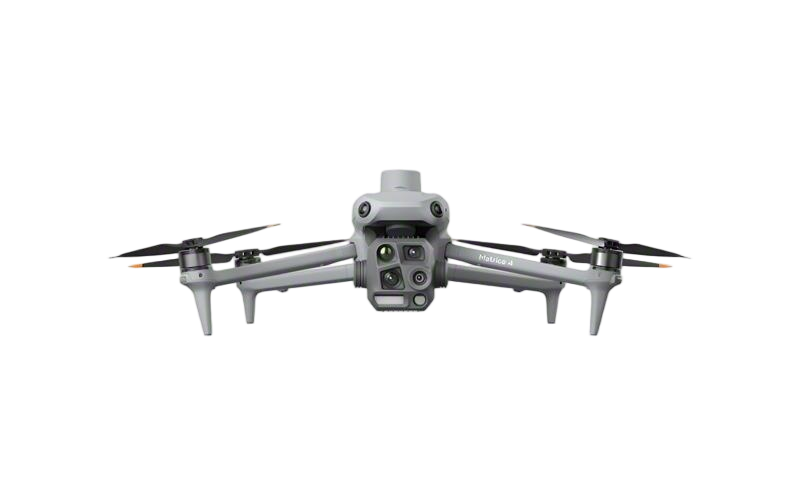
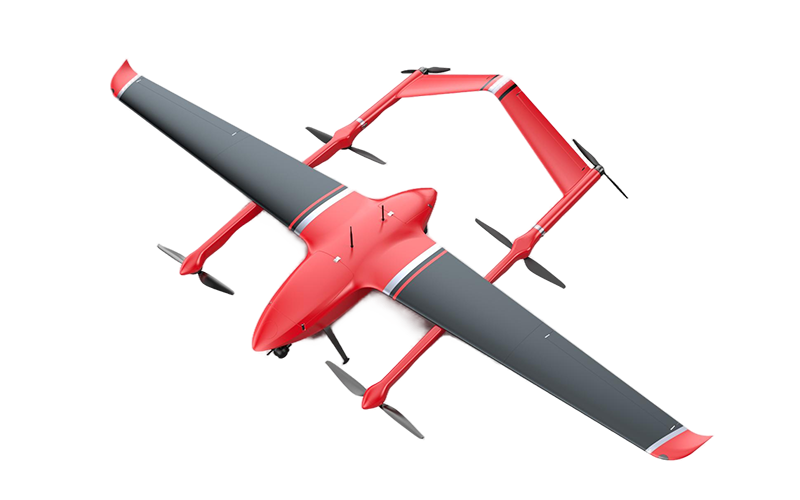
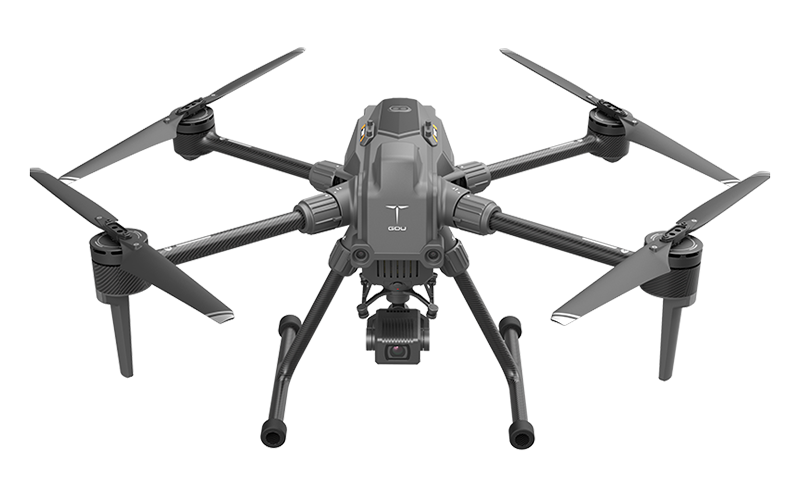
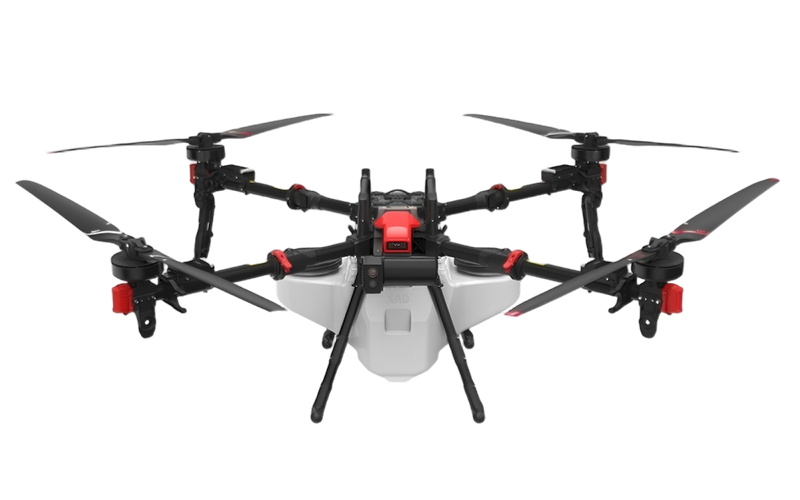
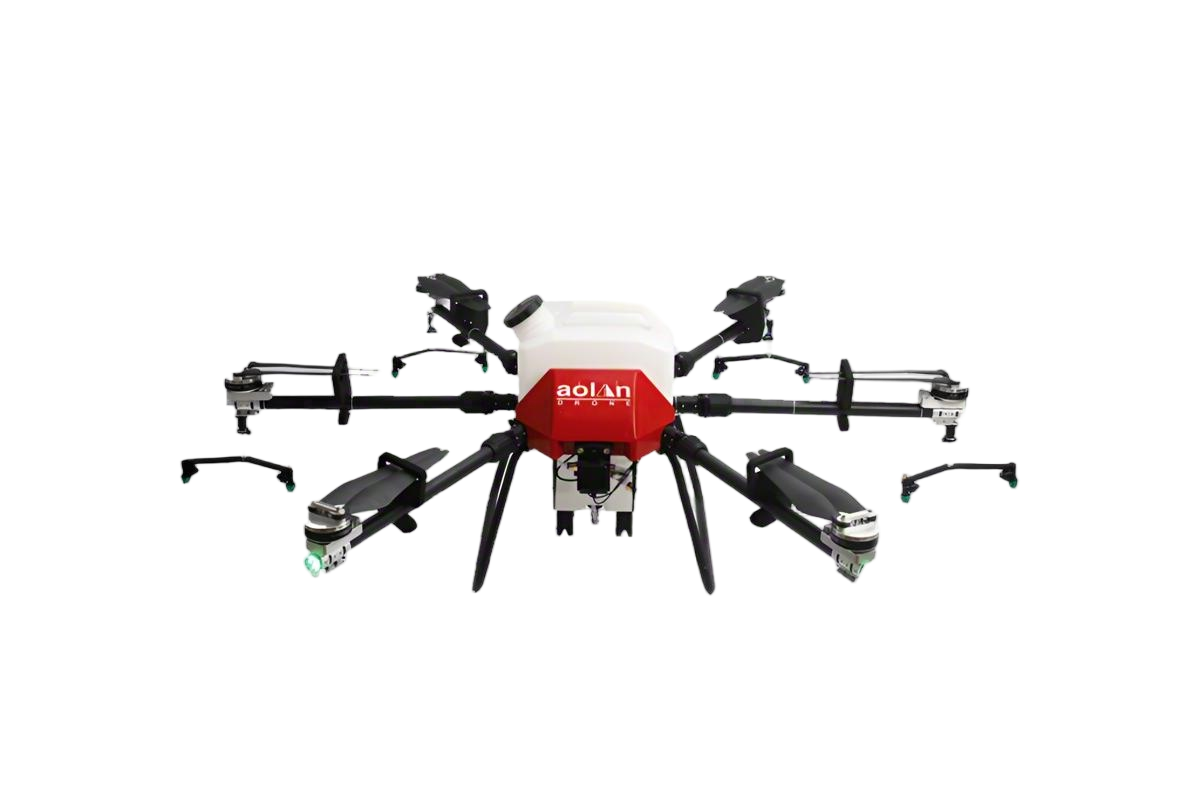
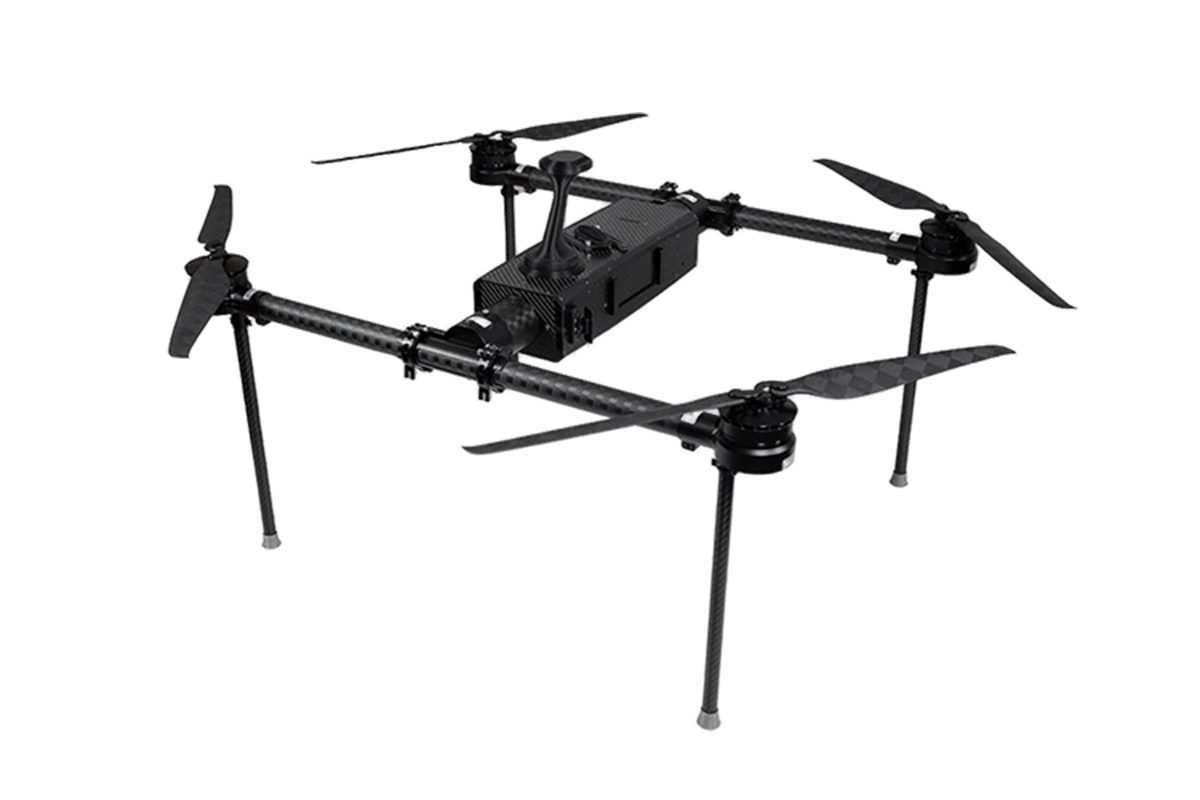
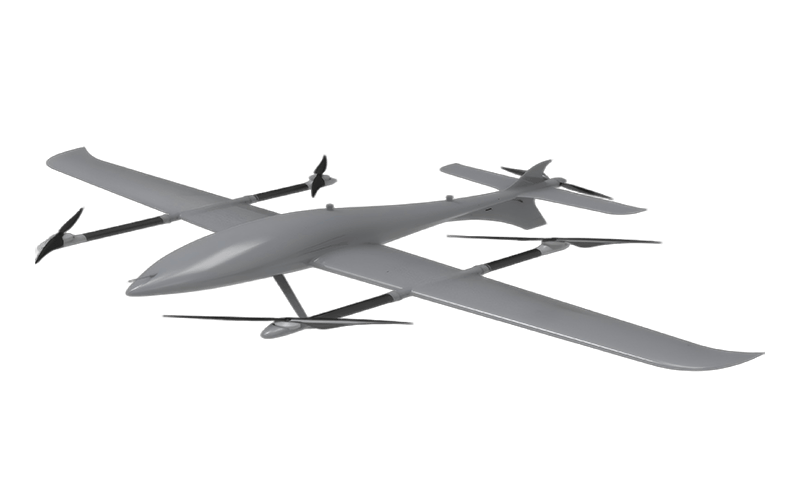
Logistics drones are revolutionizing how goods are delivered. Various types of drones are designed for specific tasks. These include fixed-wing drones, quadcopters, and hybrid models. Each type has its advantages and limitations, affecting their efficiency.

Fixed-wing drones are suited for long distances. They can cover larger areas quickly. However, they require more space for takeoff and landing.

Quadcopters are more versatile, ideal for short routes and precise deliveries. They can navigate tight spaces but have shorter battery life.

Hybrid drones combine features of both, offering balance but at a higher complexity.

The uses of logistics drones extend beyond simple deliveries. They are also employed in monitoring inventory and transporting medical supplies. Yet, challenges remain. Safety regulations vary by region, complicating operations. Weather conditions can also disrupt flights, impacting delivery timelines. As logistics drones evolve, they continually push boundaries in the delivery industry.

Benefits of Using Logistics Drones for Delivery

Logistics drones are reshaping the delivery landscape. They offer speed, efficiency, and cost-saving benefits. For businesses, these drones can expedite the shipping process. In remote areas, they provide access where traditional vehicles may struggle. A drone can deliver packages within minutes, drastically reducing wait times for customers.

The applications are wide-ranging. Farms can receive supplies faster. Medical emergencies benefit from rapid delivery of crucial supplies. However, there are challenges. Weather conditions can impact drone performance. Regulatory hurdles often slow down widespread adoption. Companies must navigate these complexities while pushing for innovation.

Safety is paramount in drone operations. Training is essential for operators and technicians. Each flight requires meticulous planning to avoid obstacles. Balancing efficiency with safety can be tricky. Thus, fostering a culture of ongoing learning within teams is vital. Embracing these challenges can lead to greater advancements in logistics technology.

What is Logistics Drones and How Do They Transform Delivery? - Benefits of Using Logistics Drones for Delivery

Benefit Description Impact Use Case
Speed Drones can deliver packages much faster than traditional ground transport. Reduced delivery times by up to 60%. E-commerce deliveries in urban areas.
Cost-Effective Lower transport costs due to reduced fuel consumption. Decreased last-mile delivery costs. Delivering medical supplies to remote locations.
Environmentally Friendly Drones produce less carbon emission compared to trucks. Minimizes ecological footprint of logistics operations. Using drones for delivery to reduce pollution in urban settings.
Access to Remote Areas Drones can reach locations that are difficult for vehicles. Increased service efficiency in hard-to-reach areas. Delivering goods to mountainous or isolated communities.
Automation Drones can operate autonomously, reducing the need for human intervention. Increases efficiency and reduces labor costs. Automated deliveries for retail businesses.

Challenges and Limitations of Logistics Drones

Logistics drones are emerging as game-changing tools in the delivery sector. However, their adoption is not without challenges. One significant hurdle is regulatory compliance. Many regions have strict rules regulating UAV operations. These regulations can slow down the integration of drones into existing logistics networks. Navigating these legal landscapes requires expertise and adjustment.

Technical limitations also pose challenges. Drones can only carry a limited weight, which restricts the type of goods they can transport. Furthermore, battery life remains a concern. Long-distance deliveries may not be feasible without regular recharging. This can lead to delays, especially in remote areas.

Safety is another critical issue. Drones must avoid obstacles and ensure they do not endanger people or property. Despite advancements in technology, malfunctioning can happen. There is a need for robust systems to mitigate risks. All these factors create an environment where logistics companies must plan carefully. They must balance innovation with practicality, ensuring that drones serve as reliable delivery solutions.

Future Trends in Logistics Drone Delivery

The future of logistics drone delivery is bright yet complex. A report by the Federal Aviation Administration predicts that by 2025, there could be over 2.5 million commercial drones operating in the U.S. alone. This surge indicates a significant shift in how goods are transported. Drones can deliver packages quickly, cutting down delivery times to mere minutes in urban areas. Studies show that using drones can reduce delivery costs by up to 30%. Such efficiency can transform supply chains.

However, challenges remain. Regulatory hurdles must be addressed, as safety remains paramount. The technology is still evolving, with concerns around payload limits and air traffic control. Operators face issues with battery life and range. These factors can impact the reliability of drone deliveries. A survey by the National Retail Federation reveals that about 80% of consumers are hesitant about drone delivery due to security and privacy issues.

Despite these setbacks, the potential for drones in logistics is immense. Companies are investing in infrastructure and technology. This could lead to improved tracking and automated systems. As the market matures, industry leaders must evolve their operations to integrate drones effectively. Collaboration with regulatory bodies will be crucial for the growth of this sector. The next few years will be pivotal in defining how drones reshape the logistics landscape.

Case Studies of Successful Logistics Drone Implementations

Drones in logistics are changing the landscape of delivery. Various case studies show how they improve efficiency and reduce costs. In the 2021 report by McKinsey, companies that implement drone delivery saw a 30% reduction in delivery time. This is significant for industries that rely heavily on timely shipments.

One notable case is a healthcare provider using drones to transport medical supplies. During a trial, drones delivered products quicker than traditional methods. They demonstrated reliability even in adverse weather conditions. The key takeaway here is that adaptability greatly enhances logistics operations.

Tips: Consider integrating drones into your delivery network. Assess your operational areas for drone feasibility. Start with pilot programs to gauge effectiveness before a full rollout. Adopting these technologies can lead to significant long-term benefits, but challenges remain. Issues such as regulatory compliance and infrastructure updates need careful planning. Balancing innovation and practicality is essential for success.

Transforming Aerial Surveillance: How the Mercury X30 Drone Enhances Operational Efficiency in Precision Logistics

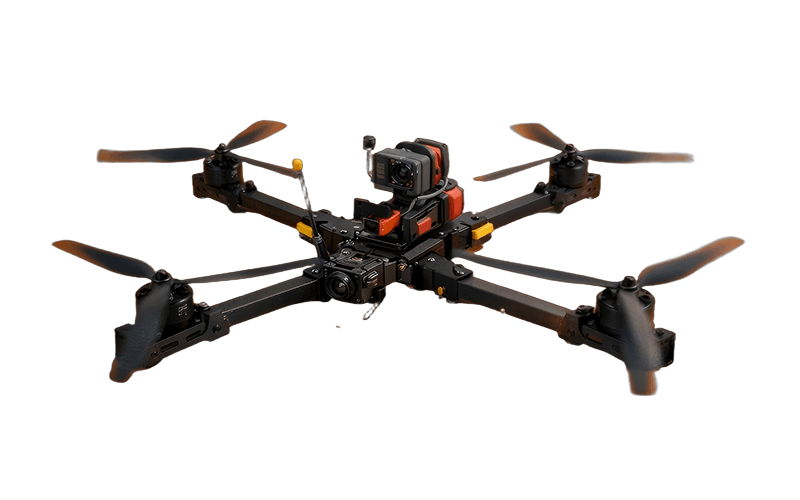
The Mercury X30 drone is revolutionizing the realm of aerial surveillance and precision logistics by significantly improving operational efficiency. Designed with a focus on reliability, this drone stands out in various demanding environments, ensuring seamless cargo transport and vital emergency response support. Its advanced GPS-autonomous navigation system allows for precise routing and delivery, making it an invaluable tool for mission-critical operations.

In an ever-evolving landscape where efficiency and effectiveness are paramount, the Mercury X30 rises to the challenge. Its robust engineering is suited for a wide range of applications, from monitoring construction sites to supporting humanitarian efforts. The drone's ability to operate autonomously not only minimizes the risk of human error but also facilitates rapid decision-making in high-stakes scenarios. This capability enables organizations to optimize their logistics operations, ensuring that goods and services are delivered promptly and accurately.

Furthermore, the drone's adaptability to various payloads opens the door to a multitude of applications, reinforcing its role in enhancing operational processes. As industries continue to embrace automation and aerial technologies, the Mercury X30 drone exemplifies how advanced aerial surveillance can be a game-changer in precision logistics.

FAQS

: What are logistics drones?

: Logistics drones are unmanned aerial vehicles that optimize delivery routes using GPS and computer vision.

How much can drone deliveries reduce logistics costs?

Drone deliveries could cut logistics costs by up to 30%, according to industry reports.

What are the main challenges facing logistics drones?

Challenges include regulatory hurdles, airspace management, and limited battery life affecting travel distance.

How ready are companies to implement drone technology?

Only 12% of companies are fully prepared to adopt drone technology, reflecting gradual change.

Are consumers willing to use drone delivery services?

Data shows that 70% of consumers are open to drone delivery, but trust is essential.

Can drones handle deliveries in adverse weather?

Some case studies indicate that drones can operate successfully even in challenging weather conditions.

What industries benefit most from drone deliveries?

Industries that rely on timely shipments, such as healthcare, can significantly benefit from drone technology.

How can companies start integrating drones into their logistics?

Companies should assess drone feasibility and begin with pilot programs to evaluate effectiveness.

What must companies consider when adopting drone technology?

Companies should plan for regulatory compliance and necessary infrastructure updates alongside drone adoption.

What is crucial for the mainstream acceptance of drones?

Ongoing advancements in technology and building trust in safety and reliability are vital for acceptance.

Conclusion

Logistics Drones are an innovative technology revolutionizing the delivery sector. These unmanned aerial vehicles utilize advanced systems such as GPS and obstacle detection to efficiently transport goods, reducing delivery times and costs. Various types of logistics drones cater to different needs, from small parcel delivery in urban areas to large-scale transport in remote locations. The adoption of logistics drones offers numerous benefits, including enhanced speed, reduced carbon footprint, and improved access to hard-to-reach places.

However, challenges such as regulatory hurdles, safety concerns, and limited payload capacities still hinder the widespread implementation of logistics drones. Despite these limitations, the future of drone delivery looks promising, with advancements in technology and infrastructure paving the way for more extensive usage. Case studies of successful logistics drone operations highlight their potential impact, suggesting a transformative role in the logistics sector as they continue to evolve and integrate into existing delivery systems.

Sophia

Sophia

Sophia is a dedicated marketing professional with a deep expertise in UAV systems, specializing in the creation of repeatable, traceable, and compliant solutions. With a strong focus on integrated innovation across hardware, algorithms, and data operations, she plays a pivotal role in enhancing the......
Previous Top Benefits of Using Surveying Drones for Global Procurement?